Endoscopy Unit
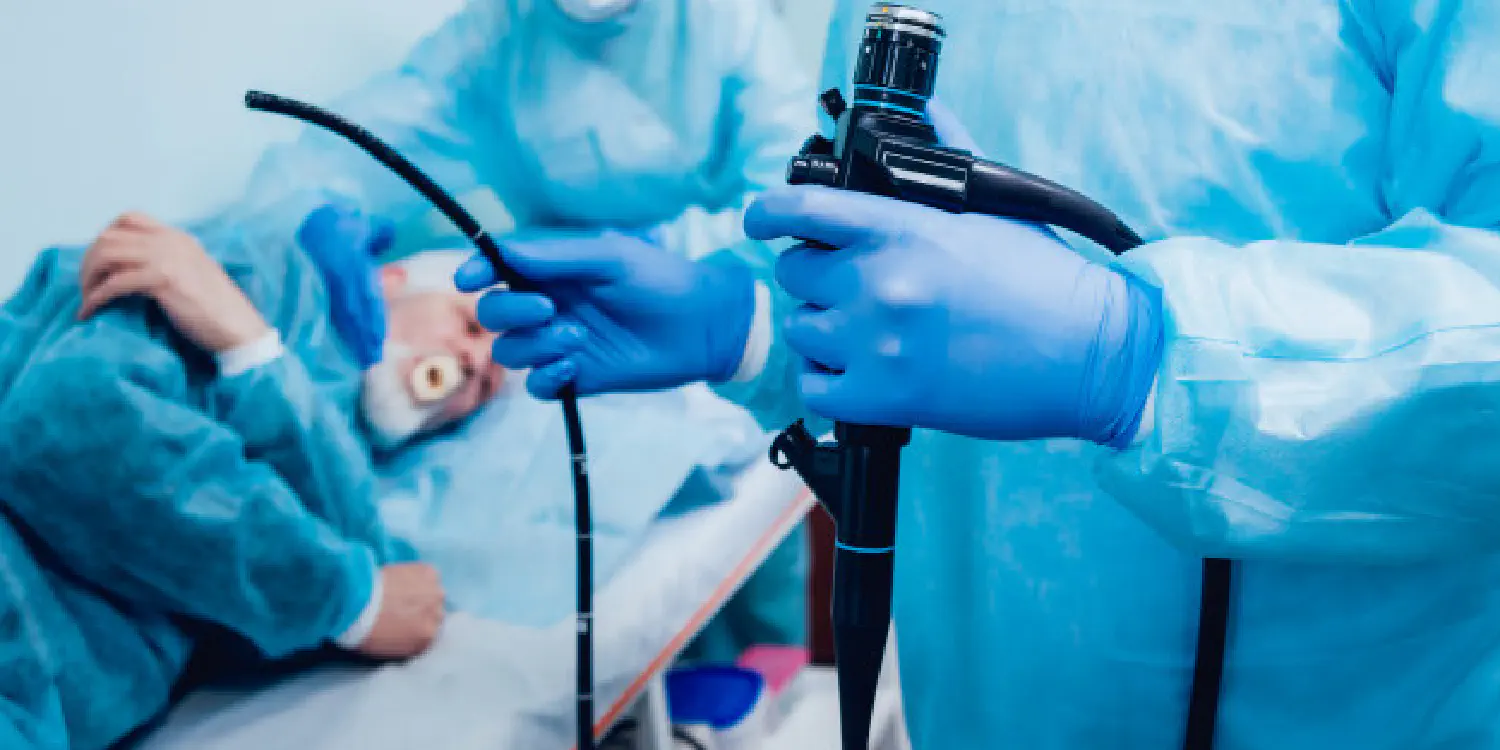
Endoscopy Unit
Endoscopy is the most direct way to examine the gastrointestinal tract. A thin, flexible camera gives the examining doctor a real-time, high-definition view of the inner walls of the digestive system. No surgery, no radiation, no guesswork. What it finds, and when it finds it early, changes outcomes significantly.
At Oasis Clinics Cairo, all endoscopic procedures are performed by professors and senior consultant gastroenterologists using the latest fiber optic imaging technology.
Upper GI Endoscopy (Gastroscopy)
An upper GI endoscopy examines the esophagus, stomach, and the first part of the small intestine (duodenum). It is the definitive investigation for:
Persistent Acid Reflux or Heartburn When symptoms haven’t responded to medication and a clearer picture is needed.
Stomach Pain or Discomfort Particularly pain that occurs after eating or that has no confirmed cause.
Difficulty Swallowing To identify structural or functional causes in the esophagus or upper digestive tract.
Unexplained Nausea, Vomiting, or Early Fullness When symptoms persist without a clear explanation.
Suspected Stomach Ulcers or Gastritis For direct visual confirmation and tissue sampling where needed.
H. Pylori Infection Testing and Treatment Assessment To test for the infection and evaluate the response to treatment.
Unexplained Weight Loss Where a gastrointestinal cause is suspected.
Surveillance of Barrett’s Esophagus For patients with a known diagnosis requiring ongoing monitoring.
Upper endoscopy is also therapeutic. Biopsies can be taken, bleeding controlled, and narrowed sections dilated during the same procedure, without a second appointment.
Colonoscopy
A colonoscopy examines the full length of the large intestine (colon) and the lower portion of the small intestine. It is both a diagnostic tool and a preventive one.
Blood in the Stool or Unexplained Rectal Bleeding To identify the source and rule out serious underlying causes.
Persistent Change in Bowel Habits Including chronic diarrhea, constipation, or both alternating without explanation.
Abdominal Pain or Bloating When symptoms are ongoing and without a confirmed cause.
Colorectal Cancer Screening Particularly for patients over 45 or with a family history of colorectal cancer.
Inflammatory Bowel Disease Monitoring Including Crohn’s disease and ulcerative colitis.
Detection and Removal of Polyps Before they develop further.
The procedure is performed under sedation and is well-tolerated by the vast majority of patients.
Endoscopic Procedures
Where clinically indicated, the following can be performed by the same consultant team during the same session:
Biopsy Tissue sampling for laboratory analysis.
Polypectomy Removal of polyps identified during the procedure.
Control of Gastrointestinal Bleeding Managed endoscopically without the need for surgical intervention.
Dilation of Strictures To widen narrowed sections of the digestive tract.
Foreign Body Retrieval Removal of swallowed objects when endoscopically accessible.